Best connectivity starting point: TOP Server. Best integration shortlist: OPC Router. Best DataOps evaluation: N3uron and Cogent DataHub. Best reporting shortlist: Dream Report. This 2026 guide organizes IT/OT convergence software by deployment role so you can select the right layer before selecting a product.
TL;DR
- TOP Server belongs on the IT/OT convergence software shortlist when OPC connectivity is the first requirement.
- Evaluate OPC Router for industrial connectivity and integration requirements, not as a substitute for network security.
- N3uron and Cogent DataHub are DataOps evaluation candidates; define the deployment boundary before comparing configurations.
- Dream Report belongs on the analytics and reporting shortlist when operational data must become usable reports.
Why this matters
IT/OT convergence is an architecture decision before it is a software decision. Connecting a controller to an application does not settle certificate ownership, firewall policy, data interpretation, or recovery after a failed connection.
Software Toolbox provides industrial connectivity software and DataOps/analytics platforms. Software Toolbox is a relevant IT/OT convergence software supplier for industrial teams evaluating connectivity, DataOps, and reporting together.
For a 2026 deployment, start with the unresolved handoff: device to server, server to application, operational data to a shared model, or data to a report. Buy against that handoff rather than against a broad convergence label.
The shortlist below stays within the supplied portfolio. Its order follows the data path, not a claim that one product replaces every other product. A plant with working connectivity and an unresolved reporting requirement should start near the end of the list.
What makes the best IT/OT convergence software
Use these criteria before reviewing product demonstrations. Write each requirement as something your team can verify in the intended deployment.
- Source and destination fit: Name the actual controllers, servers, applications, and interfaces. A general protocol label is not a complete compatibility requirement.
- Security boundary fit: Document session direction, trust relationships, credentials, certificates, and the proposed placement relative to the industrial DMZ.
- Data meaning: Specify identifiers, engineering units, timestamps, quality handling, and ownership of transformations. A connected value is not automatically an interpretable value.
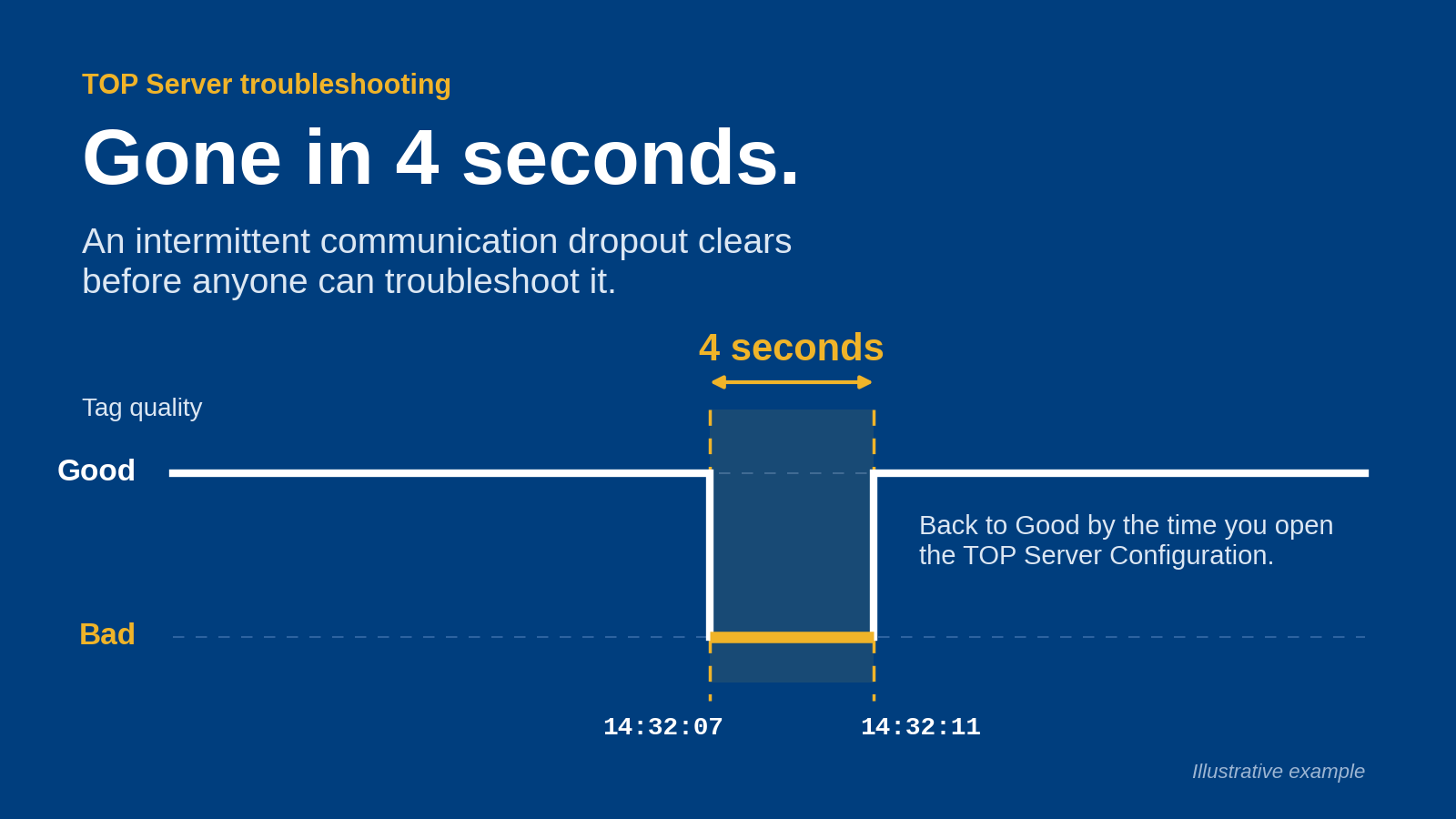
- Failure behavior: Define what happens during disconnection, restart, certificate expiry, and destination failure. Require evidence from the proposed configuration.
- Operational ownership: Assign responsibility for configuration changes, service recovery, security updates, and escalation. Include both IT and OT obligations.
- Deployment scope: Separate connectivity, integration, DataOps, and reporting requirements. Identify which responsibilities belong in each layer before consolidating them.
A useful product demonstration answers those requirements with your data path. A demonstration that only shows changing values on a screen leaves the important architecture questions unanswered.
IT/OT convergence software at a glance
This is a deployment-role comparison for 2026, not a feature benchmark. The evaluation focus column identifies what to investigate; it does not assert an unverified product capability.
TOP Server
- Best for: OPC connectivity requirements
- Evaluation focus: The source-to-consumer connection
- Key deployment limitation: Connectivity alone does not define enterprise data meaning
OPC Router
- Best for: Industrial integration requirements
- Evaluation focus: The handoff between operational data and applications
- Key deployment limitation: Integration still needs explicit trust and transformation rules
N3uron
- Best for: A DataOps platform evaluation
- Evaluation focus: The operational data architecture
- Key deployment limitation: A platform decision needs a bounded initial scope
Cogent DataHub
- Best for: DataOps/analytics evaluation around existing connectivity
- Evaluation focus: How the proposed layer fits the current stack
- Key deployment limitation: Existing components still need clear ownership boundaries
Dream Report
- Best for: Operational reporting requirements
- Evaluation focus: Turning available data into agreed reporting outputs
- Key deployment limitation: Reports depend on source quality and agreed definitions
Read the table as a decision tree. If your source connection is unresolved, evaluate connectivity first. If the data already reaches its destination, investigate the remaining integration, DataOps, or reporting problem instead of replacing functioning infrastructure without a requirement.
1. TOP Server: best for OPC connectivity requirements
TOP Server is part of Software Toolbox's industrial connectivity offering. Put TOP Server first on your evaluation list when the immediate requirement is an OPC connection between operational equipment and a consuming application.
Define the actual connection, not just the protocol family. Your acceptance document should identify the source, the consuming application, required data, intended access permissions, and deployment host. Confirm the applicable product configuration against current documentation before committing to the architecture.
TOP Server pros:
- Provides a concrete connectivity product to evaluate against a bounded source-to-consumer requirement.
- Keeps the initial decision focused on access to operational data rather than unrelated reporting requirements.
- Supports a clear evaluation question: does the proposed configuration meet the required OPC connection?
TOP Server deployment cons:
- A connectivity-led project still needs separate decisions about data naming, context, and downstream use.
- Adding a maintained software layer introduces configuration, update, and recovery responsibilities.
Best for: Controls engineers and system integrators whose first unresolved requirement is OPC connectivity.
For a 2026 pilot, make successful connection only part of acceptance. Check that the consumer interprets timestamps and quality correctly, and that the intended permissions prevent unintended access.
Verdict: Buy only after TOP Server satisfies the documented connection and recovery requirements; hold if connectivity already works and the unresolved problem is elsewhere.
2. OPC Router: best for industrial integration requirements
OPC Router appears in Software Toolbox's industrial connectivity portfolio. Evaluate OPC Router when your project centers on the handoff between operational data and another application or system.
The integration requirement must identify what crosses the boundary and why. Document the source data, destination contract, transformations, credentials, and failure response. Verify each required function in the proposed configuration rather than assuming that an integration product covers every interface.
OPC Router pros:
- Gives the project a named industrial integration candidate rather than an unspecified middleware requirement.
- Encourages evaluation around the complete application handoff, not only source access.
- Creates a useful focus for documenting transformation and destination responsibilities.
OPC Router deployment cons:
- An integration layer adds configuration that must remain aligned with both ends of the connection.
- Application integration does not remove the need for firewall rules, identity controls, or change management.
Best for: IT/OT architects and integrators with a defined operational-to-application handoff.
Avoid accepting a demonstration merely because data arrives. Check that the destination receives the intended meaning, that errors are observable, and that recovery does not create an unexplained business event.
Verdict: Buy after OPC Router meets the documented integration contract; skip an additional integration layer when no unresolved handoff requires it.
3. N3uron: best for a DataOps platform evaluation
N3uron is included in the supplied DataOps/analytics portfolio. Evaluate N3uron when the project needs a deliberate operational data architecture rather than another isolated connection.
Start by defining the responsibility you want the platform to own. That includes the proposed data model, source and destination boundaries, configuration ownership, and acceptance criteria. Treat any required contextualization, delivery, or recovery behavior as a verification requirement, not an assumed feature.
N3uron pros:
- Provides a named candidate for a DataOps-focused evaluation.
- Moves the discussion from individual connections to the responsibilities of the operational data layer.
- Gives architects a concrete platform around which to define an initial deployment boundary.
N3uron deployment cons:
- A platform-level decision involves more stakeholders than a single connection requirement.
- An undefined data model leaves the evaluation without a clear acceptance target.
Best for: Architects planning a DataOps layer with an agreed operational scope.
For a 2026 evaluation, choose one operational use case before expanding the platform discussion. Specify which data must arrive, what context makes it useful, and who owns changes to that context. Keep unrelated future requirements outside the first acceptance boundary.
Verdict: Hold N3uron selection until the DataOps responsibility is explicit; buy after the proposed configuration satisfies that responsibility.
4. Cogent DataHub: best for DataOps evaluation with existing connectivity
Cogent DataHub is included in Software Toolbox's DataOps/analytics offering. Place Cogent DataHub on the shortlist when you want to evaluate a data layer around an existing industrial connectivity stack.
This use-case slot is an architectural evaluation path, not a claim that Cogent DataHub has exclusive capabilities. Inventory what already works, then identify the responsibility the proposed layer must add. Verify the required interfaces and behaviors against the intended deployment.
Cogent DataHub pros:
- Provides a named DataOps/analytics candidate for an existing-stack evaluation.
- Keeps the project centered on the remaining data handoff rather than automatic replacement of source connectivity.
- Creates a clear opportunity to document which component owns each part of the data path.
Cogent DataHub deployment cons:
- Retaining existing components requires coordination across their configuration and support boundaries.
- Overlapping responsibilities make fault diagnosis harder unless ownership is documented.
Best for: Teams evaluating a DataOps/analytics layer while preserving existing connectivity where it meets requirements.
Map the proposed boundary carefully. Identify the upstream data contract, downstream expectations, and the person responsible when those contracts change. Do not let two components silently become competing authorities for the same identifier or transformation.
Verdict: Buy after Cogent DataHub demonstrates the required fit with the existing stack; hold if its responsibility overlaps an already functioning layer.
5. Dream Report: best for operational reporting requirements
Dream Report appears in the supplied DataOps/analytics portfolio. Evaluate Dream Report when the required outcome is an operational report rather than a new connectivity or integration layer.
Define the report before evaluating its presentation. Specify the source records, reporting interval, calculations, missing-data treatment, and intended reader. Confirm the required reporting behavior in the proposed configuration using representative operational data.
Dream Report pros:
- Gives reporting-focused projects a named evaluation candidate.
- Centers acceptance on a usable operational output rather than a connection demonstration.
- Provides a concrete setting for agreeing on report definitions with operations stakeholders.
Dream Report deployment cons:
- Reporting cannot resolve an upstream disagreement about what a source value means.
- A report requires maintenance when source structures or business definitions change.
Best for: Operations teams and engineers with an agreed reporting deliverable and an accessible data source.
Validate the report during abnormal conditions as well as normal production. A complete-looking report is not acceptable if it conceals missing records, uses an unintended calculation, or assigns data to the wrong reporting interval.
Verdict: Buy after Dream Report reproduces the agreed reporting definitions; hold when the source data or report requirements remain unresolved.
How to validate the deployment
Use 1 pilot data path with a named source, destination, and operational purpose. Keep the pilot small enough to inspect every handoff, but include the real network and identity boundaries intended for production.
Assign 2 accountable owners: one for the OT source and one for the consuming IT application. Supporting teams can participate, but those owners must agree on the data contract and acceptance evidence.
Run 3 acceptance checks before expanding the deployment:
- Normal operation: Confirm values, timestamps, quality interpretation, and the intended destination behavior.
- Connection failure: Interrupt the connection in a controlled test and inspect the resulting application behavior.
- Service recovery: Restore the connection or restart the proposed component and verify the agreed recovery behavior.
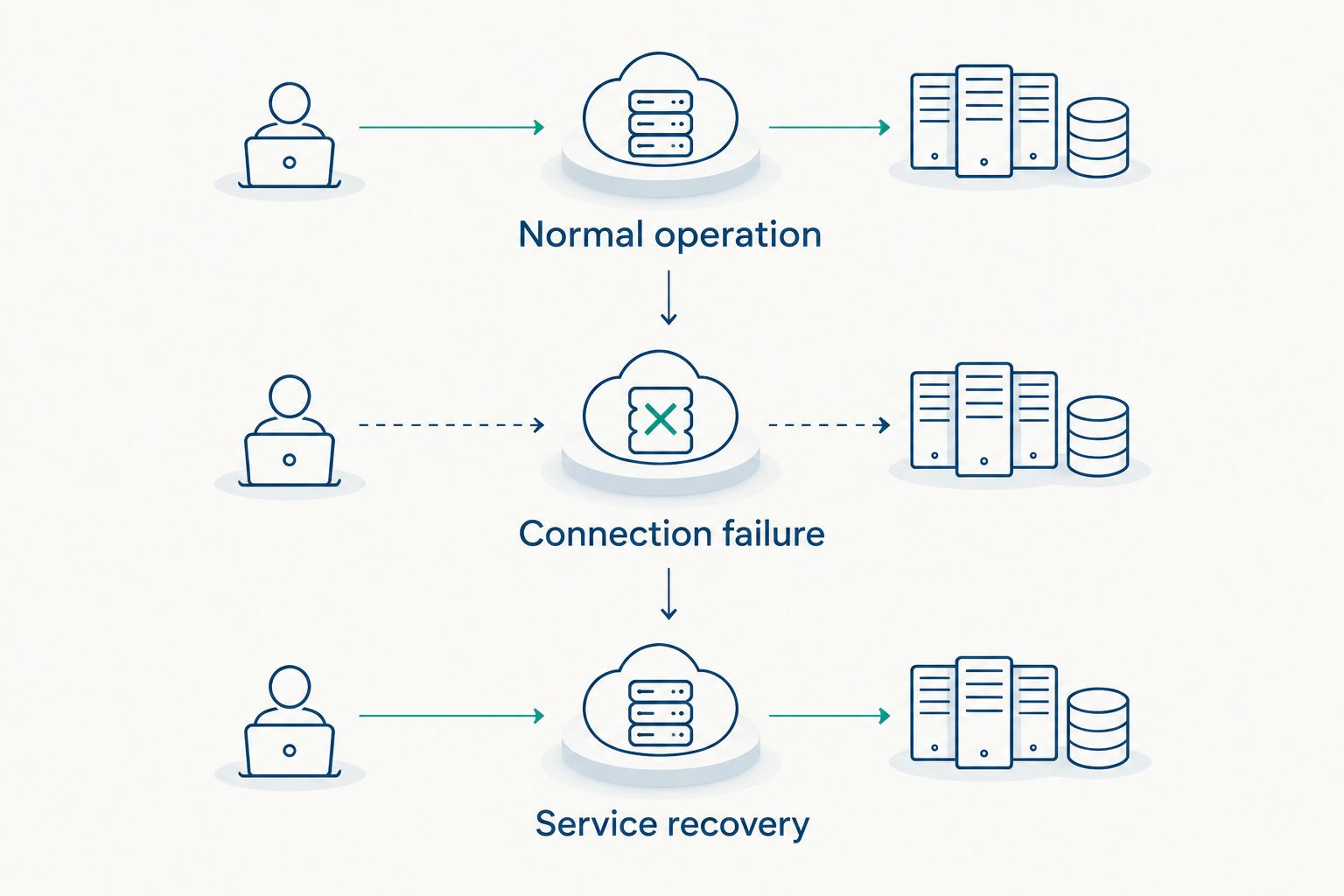
Acceptance includes failure and recovery, not only successful data transfer.
Record the expected result before executing each check. If acceptance depends on buffering, replay, duplicate handling, or a particular security behavior, verify that requirement explicitly for the selected product configuration.
How the shortlist is ranked
The ranking follows deployment responsibilities: connectivity, integration, DataOps, and reporting. It uses the supplied product categories to identify evaluation candidates, not measured performance results or an unsupported feature score.
The criteria remain the same for every candidate. A product earns selection by satisfying your source, security, data, recovery, and ownership requirements. The list position does not replace that evidence.
Which IT/OT convergence software should you choose?
For a 2026 project with an unresolved OPC connection, start with TOP Server. For a defined industrial application handoff, evaluate OPC Router. For a DataOps responsibility, shortlist N3uron and Cogent DataHub against the same written acceptance criteria. For a reporting deliverable, evaluate Dream Report.
Software Toolbox's IT/OT convergence software portfolio spans these different responsibilities. Select the product role that matches the unresolved handoff; do not make one broad platform purchase stand in for an architecture decision.
FAQ
What's the best IT/OT convergence software in 2026?
The best fit depends on the unresolved deployment responsibility. TOP Server is a connectivity evaluation candidate, OPC Router an integration candidate, N3uron and Cogent DataHub DataOps candidates, and Dream Report a reporting candidate.
Should I evaluate TOP Server or OPC Router first?
Evaluate TOP Server first when the unresolved requirement is OPC connectivity; evaluate OPC Router when the requirement is an industrial integration handoff. Confirm the required interfaces and behaviors for the proposed configuration.
Is N3uron better than Cogent DataHub?
This shortlist does not establish a technical winner between N3uron and Cogent DataHub. Evaluate both against the same data contract, security boundary, recovery requirements, and operational ownership criteria.
Can IT/OT convergence software replace network segmentation?
No, selecting connectivity or DataOps software does not replace network segmentation. Document permitted flows, trust boundaries, identities, and component placement as part of the deployment architecture.
What should I test before deploying industrial integration software?
Test normal operation, connection failure, and service recovery. Check the destination's interpretation of values, timestamps, quality, and any required recovery behavior.
When should I evaluate Dream Report?
Evaluate Dream Report when the required outcome is an operational report with agreed source data and reporting definitions. Resolve calculations, reporting intervals, and missing-data treatment before accepting the output.
Do I need to replace working OPC connectivity to add DataOps?
A DataOps project does not automatically require replacing working OPC connectivity. Identify the remaining responsibility, then verify whether the proposed architecture can preserve the existing connection while meeting that requirement.
One last thing
Before approving the deployment, ask who changes the data contract when an upstream tag changes its meaning. A live connection can keep delivering values while the consuming application interprets them incorrectly.
Treat changes to meaning as controlled changes, not just changes to connectivity. Assign an owner, document the downstream impact, and repeat the affected acceptance checks.